
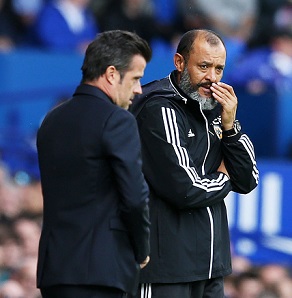
 Portugal has become one of the most respected footballing nations in the modern game, not only for producing technically gifted players but also for developing elite tactical thinkers. From innovative managers to intelligent, adaptable players, Portuguese football is often associated with strong game understanding and strategic awareness. This reputation has not emerged by chance. It is the result of decades of cultural influence and a football environment that prioritises thinking as much as physical ability.
PlayStar, the real money casino NJ platform, has conducted a deep dive into what about Portugal makes them able to produce elite tacticians.
A football culture built on intelligence
Portuguese football culture emphasises understanding the game. From a young age, players are encouraged to read play and make intelligent decisions under pressure. Rather than relying purely on athleticism, the Portuguese approach values positioning and spatial awareness. This mindset helps players and coaches develop a deeper appreciation of tactics and game management.
Football in Portugal is often analysed by fans, the media, and coaches alike. Television coverage, radio shows, and newspapers regularly focus on formations and tactical adjustments. This constant exposure reinforces the idea that football is a game of ideas as much as execution, shaping future players and coaches to think critically about every aspect of performance.
Strong coaching education pathways
One of the biggest reasons Portugal produces elite tactical thinkers is its commitment to coach education. The Portuguese Football Federation has invested heavily in structured coaching pathways that emphasise theory, analysis, and continuous learning. Coaching licenses in Portugal are known for their academic rigor, requiring candidates to study tactics, sports science, psychology, and match analysis in detail.
Aspiring coaches are encouraged to understand different systems rather than commit to a single philosophy. This flexibility helps Portuguese managers adapt to different leagues, squads, and cultures when working abroad. The result is a generation of coaches who are comfortable adjusting tactics mid-match and tailoring strategies to specific opponents.
The influence of the Primeira Liga
The Primeira Liga plays a significant role in developing tactical intelligence. Portuguese clubs often operate on smaller budgets than those of Europe’s biggest leagues, which forces managers to rely on structure and planning rather than star power. Teams must maximise limited resources, encouraging creative tactical solutions and disciplined systems.
Matches in Portugal frequently involve detailed game plans, compact defensive shapes, and intelligent transitions. Young players are exposed early to tactical discipline and are expected to understand their roles precisely. This environment sharpens football intelligence and prepares players for the demands of elite competition.
Youth academies that teach the game
Portugal’s renowned youth academies focus on more than just technical skill. Training sessions often include tactical drills that replicate real match situations, encouraging players to think quickly and solve problems on the pitch. Coaches place importance on decision-making and adaptability from an early age.
Academies also rotate players through different positions during their development. This approach helps young footballers understand the game from multiple perspectives, improving their overall tactical awareness. Players who understand various roles tend to read the game better and adapt more easily at the senior level.
A history of tactical role models
Portugal has produced several influential managers whose success has inspired future generations. Figures such as José Mourinho, André Villas-Boas, and other tactically respected coaches demonstrated that detailed preparation and strategic planning could compete with football’s biggest powers. Their achievements reinforced the belief that intelligence and structure can overcome financial and physical disadvantages.
These role models also helped change perceptions of Portuguese football internationally. Young coaches and players saw that tactical excellence could lead to success at the highest level, motivating them to invest time in learning and analysis.
Adaptability across leagues and styles
Portuguese tactical thinkers are known for their adaptability. Many Portuguese players and managers succeed abroad because they are comfortable adjusting to different playing styles, refereeing standards, and football cultures. This adaptability stems from an education system that values understanding over rigid ideology.
Rather than insisting on a single formation or approach, Portuguese coaches often focus on principles such as control and game management. This allows them to tailor their tactics to different squads and competitions, making them highly attractive in global football.
Emphasis on game management
Another defining characteristic of Portuguese tactical thinking is game management. Teams are trained to control tempo, recognise momentum shifts, and manage leads effectively. This includes knowing when to press aggressively, when to sit deeper, and how to slow the game when needed.
Players are encouraged to make smart decisions in key moments rather than taking unnecessary risks. This approach reflects a mature understanding of football as a strategic contest, where small details can determine outcomes.
The role of analysis and technology
Modern Portuguese football has embraced analysis and technology. Clubs at various levels use video analysis, data tracking, and performance metrics to refine tactics and preparation. Young coaches are taught how to analyse opponents, identify weaknesses, and design specific game plans.
This analytical foundation helps Portuguese football stay aligned with global trends while maintaining its identity. The combination of traditional football intelligence and modern data-driven insight creates well-rounded tactical thinkers.
