
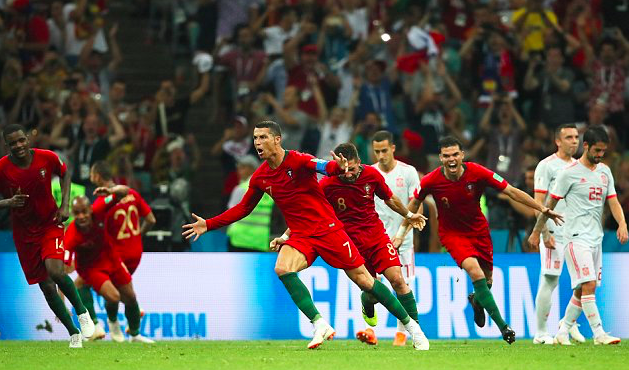
Football has never really been just about the final whistle, or even what happens during those 90 mins leading up to it. For most fans, the match is only the centre point of a much bigger routine that can stretch across an entire day or even a whole weekend. The score matters (of course), as the result is what sticks in fans’ memories, but the habits around the game are what turn football into something personal.
These rituals differ from place to place and person to person—some are loud and social, and others are quiet and almost private. But all of them help fans feel connected to the game long after the clock hits full time.
Build-up
For many supporters, matchday begins hours before kick-off. The same shirt comes out of the wardrobe. The same scarf is wrapped the same way. There is comfort in repetition, excitement in the ritual.
Some people will check team news repeatedly, even if nothing has changed. Others replay old goals or interviews while getting ready. It is not about new information; it is about getting into the right headspace.
Music often plays a role, too. Certain songs become linked with certain clubs or eras. Hearing them on matchday feels like flipping a switch.
Match day goes digital
Many online betting sites have expanded beyond the traditional wagering services and include insights such as team statistics and player performance which football fans can access. These websites and apps have all incorporated football themed online casino games, demonstrating how football culture is integrated and ingrained into a broader digital space that fans can engage with.
Meeting friends
Football is often best shared. Meeting friends before a game, whether at a pub or at someone’s house, is a ritual that carries huge weight. The same seats are taken, and jokes are repeated. Old debates about players resurface, and new ones begin. Even silence can be part of the habit when tension builds before the big kick-off.
Those who go to the ground will also know that there are the same people in the same seats. The ritual of saying hi to the fellow fans who sit alongside and asking their opinions on what the outcome will be can also be part of it.
Food and drink habits that stick
Food is another powerful element of football ritual. Many fans eat the same meal on matchday, and wherever hobbies exist, food traditions tend to follow (much like popcorn at the cinema). These habits can come from superstition or comfort, or simple tradition. Over time, they stop being a choice and start being expected.
Half-time snacks matter more than they probably should. Full-time meals often depend on the result (winning always tastes better). Even watching highlights later can involve a drink or snack that feels somehow earned.
The post-match decompression
When the game ends, the ritual does not stop. Many fans immediately turn to analysis. Highlights are watched even if the match was just seen live (unless it was an embarrassing defeat, of course).
Commentary clips get shared. Debates begin about decisions and moments. This process can last hours or even days, especially if there has been a dodgy refereeing decision.
Some fans replay the match in their heads while doing other things. Others jump straight into another game or activity to distract from a bad result.
Keeping the story going
Football rituals extend far beyond matchday itself. Midweek podcasts get downloaded and articles are saved for later as people try to get to the bottom of what went wrong (or right).
Fans track form, injuries, and rumours, even when no game is scheduled. This keeps the connection alive.
Fantasy teams are adjusted, and some people replay classic matches when nothing else is on (or to relive the glory days).
The week becomes a slow build toward the next 90 minutes of action.
Rituals stay steady, they give fans control over at least part of the experience. They also create memories. Years later, fans sometimes remember where they were when watching a match, or who they were with, more than the final score.
Football lives in the moments around the match as much as the match itself. From early morning routines to late night highlights, these habits shape how fans experience the sport.
