
The way people consume sports is no longer limited by a broadcast or screen; it's now up to the fan. Fans can now view, interact, and commentate in many different formats, from one game to many games at once. A goal can be viewed, replayed, and analysed from many angles in under a minute. No longer just being passive viewers, these behaviours have changed the way fans interact with sports digitally across all demographics. Fans now expect to be able to select which content they want to engage with, how they want to engage, and that there is something more than just reporting on the sport itself. This desire for fans is not simply because of technology; it is due to engagement behaviour, and therefore, this is what the future of sports entertainment will be built around, and thus, how the uses of it should be studied most. These usage patterns continue to emerge and are becoming increasingly evident.
When watching is not enough
Traditional broadcasts are limited to providing a visual representation of an event. However, today's sports audiences are no longer satisfied with one camera angle and one broadcaster to provide them with their coverage of an event. In addition to watching the event, many fans also follow the event using betting sites (Turkish: iddaa siteleri) that enhance their viewing experience without creating too much complexity. This evolution represents the demand for digital sports broadcasting, where the viewer controls when and how they participate in the viewing experience. Fans now dictate what they watch, what they react to, and when they interact with the viewing experience; thereby turning the viewing experience into a shared experience and less of a one-way transmission.
As a result of this transformation, fans have developed a new set of expectations regarding the viewing experience. Fans now desire to have some level of personalized interaction and/or informal commentary and/or emotional connection. With the creation of tools such as creator-led streams and live chats, fans are able to feel more involved in the viewing experience and maintain their interest over a longer period of time. Participation and engagement represent the primary offerings in the digital sports entertainment industry.
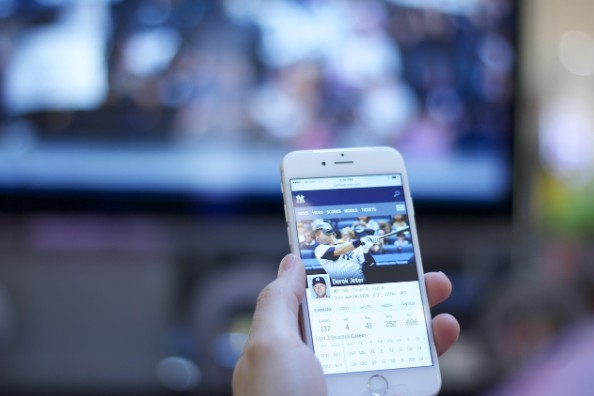
Sports content that fits any schedule
With new online sports formats, fans no longer have to watch full matches to keep up. Content is created for quick access and is easily consumable on short breaks, during commutes, or during late-night scrolling.
Common formats include:
- Highlights video of top plays and pivotal moments (available seconds after the game ends)
- On-demand replays (available shortly after the game)
- Shorts (addressing the YouTube-dominant viewing culture)
- Results-focused recap videos (freeing viewers up to watch in their time)
This strategy provides access for casual fans, while hard-core fans can consume lengthy deep dives at their discretion. Online sports entertainment has also kept viewers engaged outside traditional viewing hours.
How fans now experience games online
Today's online sports entertainment allows fans to customize their experience. They can switch between different streams, live chats, video clips, and second-screen apps, even while a live game is going on. Although this experience is created to be fragmented, fans appreciate and use the multiple streams to create their own version of the game. Fans can decide how and when to engage with the game (serious, casual, social). For the first time, sports entertainment is giving fans more than one way to interact with the game. Fans can not only watch the game, but also take control and decide how to respond to and modify the game live.
Live streams with a human voice
Creator-led streams are the opposite of traditional commentary. Instead of neutrality and controlled tone, former players, analysts, or influencers deliver live reactions that are personal, emotional, and openly biased. Many fans follow these voices through platforms like MelBet Instagram Türkiye, where short clips, live reactions, and match updates extend that personality beyond the stream itself. Loyalty builds around the commentator as much as the game. Viewers return not only to watch the match, but to hear a familiar perspective, they trust and enjoy.
Commentary operates in pauses, reacts, and digresses in a way that is intuitive enough to resemble a natural watching experience from a fan's perspective while watching from home. Besides, won’t they be watching in the same way, and therefore? They are also guiding the direction the commentary moves in with the comments, questions, and actions. There is a blending of the commentator and fan personas here. This is unlike highly polished television, where the primary focus is the shared viewing experience instead of the commentary.
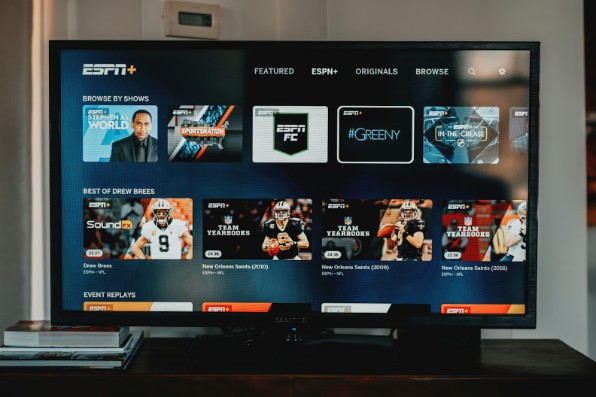
Turning matches into interactive play
Using increasingly contemporary methods, live sports have differentiated their use to be more engaging, instead of passive observation. There is a sort of activity overlay that is to be used instead of observing the game, maintaining attention, albeit dispersed, during the lulls in the game.
Some of the more common uses of interactive features include:
- live polls and surveys during notable highlights
- in-game predictions and surveys that are updated during active play
- votes from fans during highlights that actually determine the outcome of the game
- real-time quiz events during the game that are also tied to certain events occurring in the game.
Everything about interactive channels is designed to draw the attention of the fans so that the fans will participate in the game rather than just being there to experience the game passively.
Social platforms as the new arena
Social networks are becoming complete sports venues. Instead of traditional transmission, matches unfold through clips, reactions, and comments. Instead of having to wait for match highlights, fans experience the action as it happens, with framing provided by creators, clubs, and the athletes themselves. The sport and experience are defined by the platform.
|
Platform |
Core sports format |
|
|
Short highlights, stories, live reactions |
|
TikTok |
Vertical clips, trends, player moments |
|
YouTube |
Full streams, analysis, and replays |
|
X (Twitter) |
Instant news, live discussion |
This shift pulls attention away from single feeds. Fans follow games through timelines and notifications, building their own version of matchday without sitting through full broadcasts.
Designed for the Phone, not the TV
Contemporary sports entertainment is designed for mobile devices. Vertical orientation, captions, and quick cuts are tailored for on-the-go viewing, multi-tasking, and silent viewing. Content is designed to be consumed in shorter, cut-down, and more interruptible formats.
This design encourages fans to be non-committal. An out-of-context goal clip can be followed by a reaction, a video, a replay, and more in a matter of minutes. The phone is the new primary viewing device used to replace a secondary device. Attention is designed to be short and occurs frequently enough that the platform is designed to optimize the experience.
Fans building their own Sports Spaces
The new online communities are as much a part of sports entertainment as the media companies. Fans, private groups, and watched parties create a shared experience around a sports match that is separate from the official broadcast. Fans connect around identity, humour, and emotion rather than just results.
These communities feel more personalized. Inside jokes, intense debates, and loyal fandom make a community feel targeted and recognized. The sport becomes a backdrop for connection, and that social layer is more desirable than the sport itself.
Why online sports formats keep changing
Online sports formats change because consumer behaviour keeps shifting. Fans now take control faster, reacting to and shaping new features almost immediately. That speed forces platforms to adapt quickly, adjusting formats to match how audiences actually use them. The digital sports entertainment ecosystem survives by remaining adaptive. The formats that are working one season are unlikely to still be in demand the next season, necessitating the need to adapt to consumer behaviour once again.
