
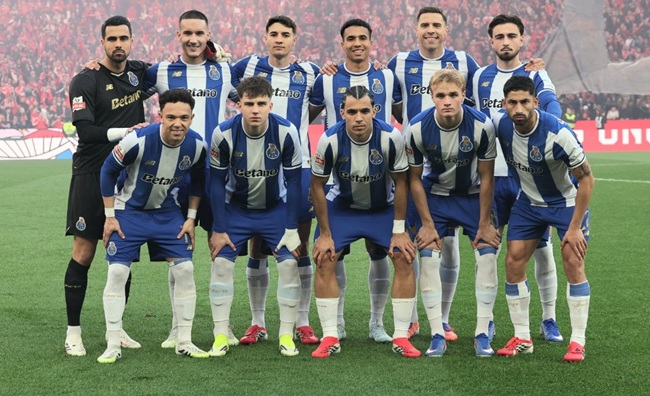
FC Porto were crowned Portuguese champions with two games to spare at the Estádio do Dragão this Saturday night. How have the northern club got back to the top of the tree in Portugal after three seasons of flailing a long way behind their Lisbon rivals?
PortuGOAL lists 10 reasons why celebrations will be ongoing long into the night on the Avenida dos Aliados.
André Villas-Boas grows into his new role
André Villas-Boas was elected president two years ago, defeating Pinto da Costa after the octogenarian had been at the helm for more than four success-strewn decades. AVB’s first season at the helm was little short of disastrous. Both of his managerial choices, Vítor Bruno and Martín Anselmi, flunked badly.
It proved third time lucky with the appointment of Francesco Farioli. Other sound decisions were made by Villas-Boas and the Porto board, especially in relation to the club’s transfer activity, as detailed below, but his most important move was undoubtedly the hiring of a manager who seems a perfect fit for the Porto identity.
Farioli banishes his demons and restores his reputation
Italian coach Francesco Farioli has confirmed his status as one of Europe’s top up-and-coming coaches, recovering from his trauma at Ajax one year ago. In 2024/25, with the Dutch team way out in front and on the cusp of winning the Eredivisie, an incredible end-of-season collapse allowed PSV Eindhoven to snatch the title from the Amsterdam giants.
Charged with a similar job in Portugal – that of restoring a fallen colossus to the domestic dominance of yesteryear – Farioli guided his team to a strong position thanks to a near faultless first half of the campaign, and this time it was his rivals who faltered along the home run.
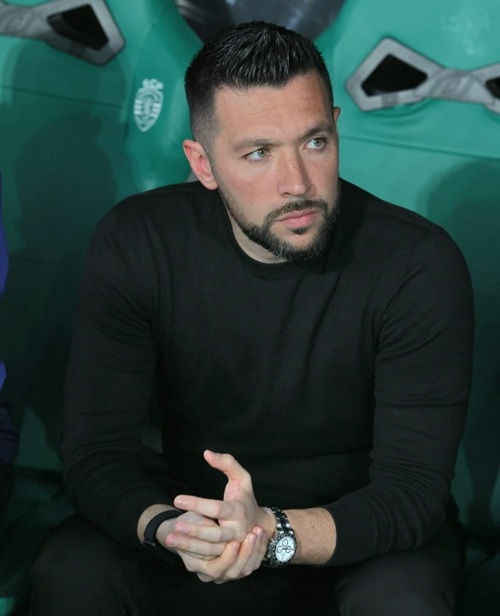
Farioli deserves praise for the intelligent way he rotated his squad, perhaps drawing on his experience one year ago, mitigating the effects of fixture pile-up and injuries to important players. Indeed, many of his key players got a “second wind” in the final weeks of the Primeira Liga schedule, Alberto Costa, Victor Froholdt and Alan Varela especially showing their best form of the whole campaign at the business end of the season.
Porto may not have been brilliant all year, but none of their title rivals could live with their consistency in terms of getting the results on the board.
Transfer business masterclass – in summer and winter
Big changes were inevitable after last season’s debacle. When a high player turnover takes place, a significant element of risk is always involved. Will the team gel? Will the new recruits settle quickly into their new environment? Will promising youngsters develop into polished performers? In Porto’s case the answer to all three questions was a resounding “sim!”
Listing Porto’s new players who have been a hit this season is practically the same thing as listing all their signings. With the effervescent Victor Froholdt at the front of the queue, Alberto Costa, Gabri Veiga, Jan Bednarek and Jakub Kiwior also all hit the ground running, helping explain Porto’s stupendous start to their league campaign. Come the winter window and Oskar Pietuszewski, Pablo Rosario and Seko Fofana were three more precious additions who played key roles at different stages of the season.
Porto broke their transfer spend record for a window last summer, but the value of young gems like Froholdt, Alberto Costa, Veiga and Pietuszewski is sure to sky rocket, meaning it has been money well invested that will more than be recuperated, in addition to helping bring sporting success. An authentic object lesson in how to work the transfer market for a club of Porto’s size.
Sensational first half of the season
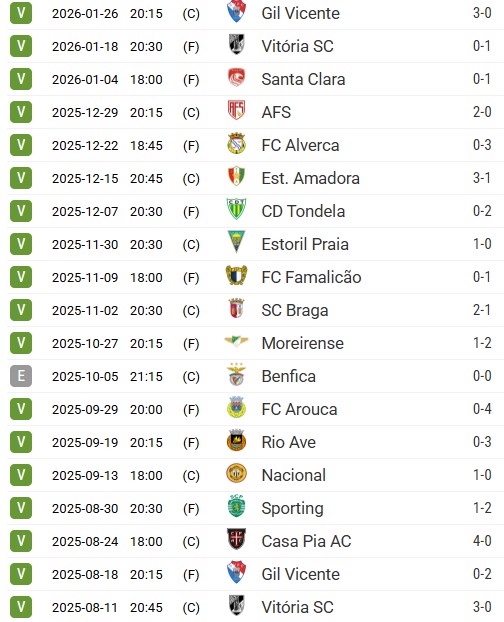
In Portugal, given the gap in quality between the top teams and the rest, it is not uncommon for teams to go on long winning runs rarely seen in other top European leagues. But Porto’s stunning start to 2025/26 was unheard of. Literally. 16 victories in 17 matches – the only dropped points the home draw against Benfica – saw Porto accumulate a barely believable 49 points out of a possible 51 in the primeira volta. Unsurprisingly, it set a new record.
Naturally, the Dragons could not sustain that pace for the entire season, but the points buffer it gave them at the top of the table piled pressure on their rivals ahead of every match, months before the end of the season.
Non-stop physicality and energy
Porto may not have played as aesthetically pleasing football as many of their previous championship-winning sides, but the team recovered an attribute typically associated with the Dragons that had been conspicuously missing in recent seasons. The energy and effort on display, individually and collectively, more often than not ended up grinding down the opposition, such was the exertion required by the opposition just to match Farioli’s team in terms of physicality.
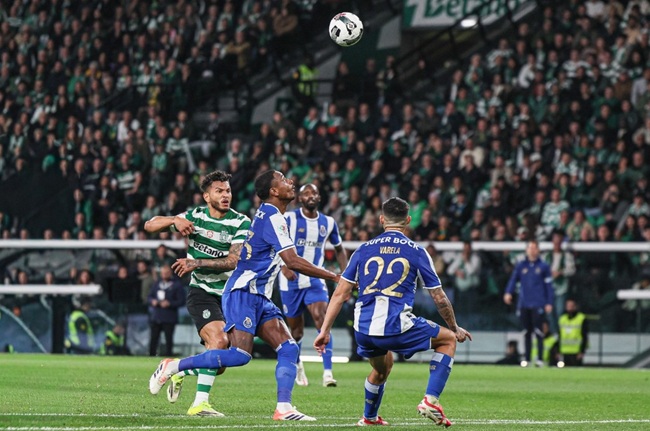
Perfect examples of this are Porto’s two games against Braga. Both home and away, the Warriors were arguably the more composed team playing the neater football, but ultimately Porto’s sheer will to win the three points, come what may, proved the defining factor in the results.
Victor Froholdt and Oskar Pietuszewski: superstars in the making?
Among the brilliant transfer business alluded to above, Porto picked up two particularly scintillating talents. Judging by what they have shown this season, and injury permitting, Danish midfield dynamo Victor Froholdt and Polish winger Oskar Pietuszewski are set for glittering careers. Froholdt’s frankly ridiculous energy levels allow him to cover every blade of grass for the whole 90 minutes, and although his usefulness goes far beyond his goal-threat, he noticeably improved in terms of hitting the net and providing assists as the season progressed.
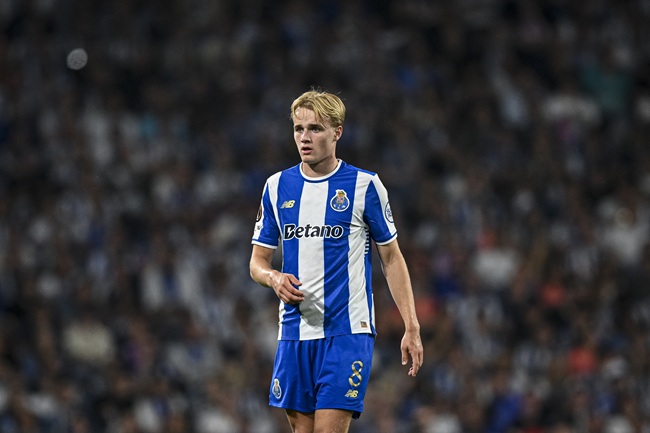
At just 17, Pietuszewski is an exciting, fearless winger, and he was often the key to opening up opposition defences after his January signing. If he improves his decision making, he has every chance of becoming a household name.
Speaking with one voice amid the usual backdrop of noise and controversy
Football in Portugal is fiercely tribal, especially when it comes to the enmity felt between Porto and their two major rivals from the capital. This season the war of words was as belligerent as ever, with heated accusations of favouritism in relation to the officiating often verging on outright allegations of corruption. However much “evidence” any club puts forward backing up these claims, they can easily be rebutted with similar “proof” to the contrary of incorrect refereeing.
What is important in this parallel sport is not winning arguments that can never be won. It is showing a united front. And Farioli, AVB and captain Jan Bednarek spoke in perfect unison, the same messaging coming out in all circumstances and on all platforms. Whether they believe in conspiracy theories or not is not important. Speaking with a united voice is.
Diogo Costa – the human wall
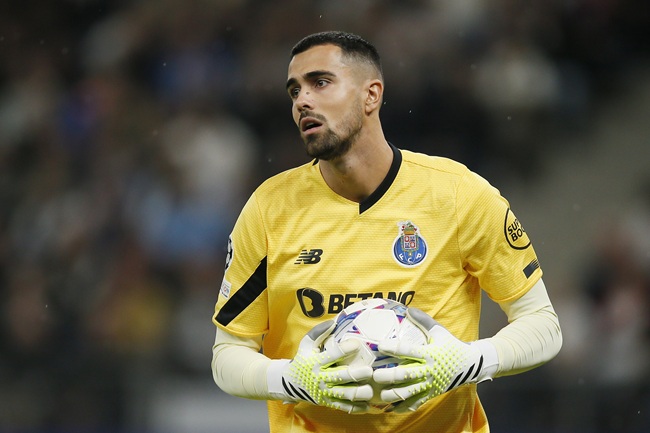
Another season, another magnificent campaign by Porto and Portugal’s No1. Porto rarely blew away opponents and won a lot of games by a single-goal margin, heightening the crucial nature of many of Diogo Costa’s contributions, be it miraculous saves or vital sweeper-keeper interceptions. He was also the first line of construction of Porto’s attacking play thanks to his exceptionally accurate passing, long or short.
Rock solid defence
Just because it’s a cliché does not make it any less true: “Attacks win matches, defences win championships.” Porto have conceded a miserly 15 goals in 32 Liga Portugal matches this season. In the first half of the season especially, as soon as the Blue and Whites took a lead, it was virtually game over, so difficult was it to breach the Porto back line. This despite several injuries meaning the back four was far from stable, although the outstanding Diogo Costa and Jan Bednarek were two constants all season long.
The spirit of Jorge Costa fuels an emotional push to the title
The sudden and untimely death of former Porto captain Jorge Costa sparked an ocean of tributes, not only from football personalities associated with the northern club but from the Portuguese football community as a whole.
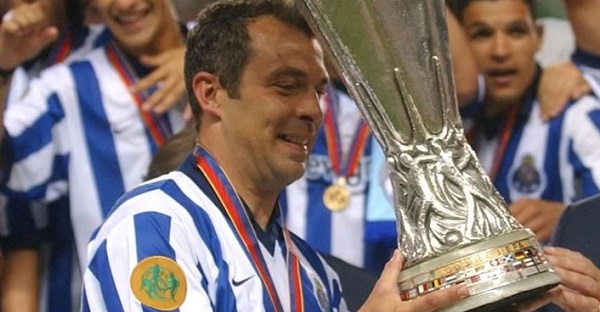
Back working at the club to whom he gave such extraordinary service, Costa was hugely respected and revered by all the current staff, even those who had a relatively short acquaintance with him.
Francesco Farioli frequently alluded to the need to bring the Portuguese title back to Porto as the only fitting tribute for the legendary No2. His passing undoubtedly helped forge an emotional bond among the entire group as they strived to reach their main goal – becoming champions of Portugal once again.
