
Sporting tournaments draw massive crowds, global media coverage, and considerable threats. The organisers have to organise police forces, private security agencies, and emergency services. There should be an organised safety program for every stadium, transport hub, and fan zone. In case you visit any big sports event this year, make sure to read the official safety guidelines first. This article is devoted to the structure and implementation of security operations.
Pre-event organisation and risk assessment
Organising any major international sporting tournament starts many months before the very first game. All possible crowd movements, venue capacity, transport lines, medical needs, and threats are thoroughly analysed by the officials. Fans who want to visit such an event often complete MelBet registration on the website in advance to get acquainted with the game schedule. It shows how people's digital habits are tightly connected with sports culture nowadays. Security services, on the other hand, focus on access control, perimeter checks, and coordination among all members of their team.
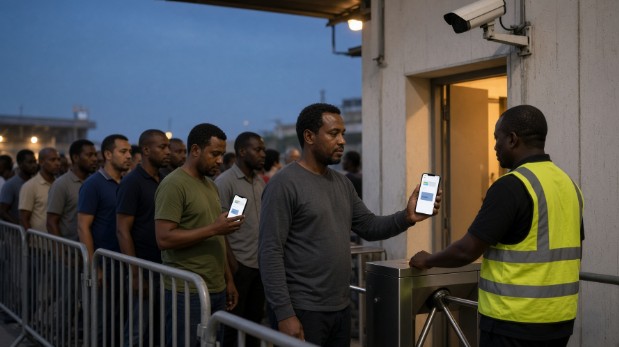
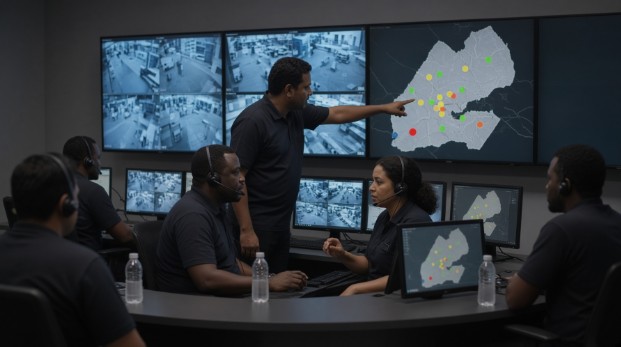
The process of accreditation allows verifying the identity of players, coaching staff, media teams, and volunteers. The access zones on every badge correspond to particular places in the stadium complex. Every visitor will be thoroughly checked before being allowed inside. Command centres monitor live camera footage and coordinate all responses in real time. Such an approach considerably lowers the possibility of uncontrolled entry during peak hours of such events.
Technologies and monitoring on the spot
Modern stadiums use separate mobile applications with tickets, maps, seating plans, and safety information. Visitors receive notifications about the changes in entry gates, weather warnings, or evacuation orders. Spectators can also use the MelBet download app option while they wait in line. Nowadays, using a smartphone in such situations has become incredibly popular. While fans are checking their phones, security services work in separate, encrypted networks.
All the major sporting venues are equipped with closed-circuit cameras on virtually every corner and nearby streets. Software for facial recognition and monitoring of the crowd helps detect any suspicious activity in real time. Drones are often used for patrolling parking lots and access roads before the games. All video streams are combined by commanders into one dashboard.
The success of any big event involves effective coordination between a number of different teams. The following table summarises the major ones that contribute to safety operations in stadiums.
|
Team |
Main Responsibility |
Typical Location |
|
Police units |
Crowd control and law enforcement |
Perimeter and streets |
|
Private security |
Ticket checks and bag screening |
Entry gates |
|
Medical staff |
First aid and emergency care |
Medical stations |
|
Stewards |
Guiding fans and providing seating assistance |
Inside the stands |
Each team is required to report back to the central command post during the event. The result is that communication is kept fast and coordinated in all parts of the venue. It becomes easy for the commanders to make changes to the assignments of personnel in case a particular area requires additional personnel. The decisions made during the course of the game are digitally logged for future reference. This will help the officials understand their weak points and plan accordingly in the future.
Crowd management and emergency response
Crowd management should be carried out prior to spectators' arrival in order to avoid dangerous overcrowding near stadium gates. Barriers, signs, and staggered arrival times are used for this purpose. Stewards should direct fans to the proper sections and answer questions. Evacuation drills for various types of accidents, including fire and medical emergencies, are carried out several weeks prior to an event.
The public address system provides a means for broadcasting important instructions in case of any incident. Signs indicating emergency exits, first-aid points, and assembly locations can be found everywhere around the stadium. Security officers receive special training to deal with agitated crowds. Ambulances and fire vehicles are usually kept on standby during the game.
Coordination between multiple security agencies
Major tournaments are rarely organised by one security company. National police units work side-by-side with private contractors and stewards. City transportation departments participate in the planning process to coordinate traffic issues. Intelligence services of governments sometimes help to provide information on certain threats or individuals.
Joint exercises are held regularly in order to train all these agencies to act together before the event. Special radio channels and unified formats of reporting minimise the confusion during incidents. Liaison officers of each agency are normally located in one central control room. This enables quick reaction in case of any changes during the game. Clear command structures prevent overlap and conflicting orders.
International standards and cross-border cooperation
Most global tournaments involve participants from dozens of different countries. International bodies provide security guidelines in light of previous experiences of similar events. The host country always consults with organisers of other previous tournaments before organising its own tournament. This exchange of experience prevents repeating the same mistakes and oversights.
Cross-border cooperation in intelligence sharing of possible risks and threats takes place in advance of the tournament. Interpol and regional networks of police sometimes help to monitor troublesome individuals who cross borders. Airlines, ports, and airports increase control procedures during major international sporting events. Embassies usually send safety recommendations to traveling fans before the tournament begins.
Staff training and volunteer preparation
The members of the security personnel have to go through thorough training prior to the beginning of any sporting event. It is essential for them to know how to de-escalate conflicts, provide first aid assistance, and detect potential dangers. In addition, volunteers have to be briefed about venue layout, emergency exits, and reporting procedures. Mock scenario preparation is usually organised several weeks before an actual event by many organisations. This will make sure that everyone knows what to do during the event.
Refresher training takes place very frequently, especially during multi-week sporting events like the World Cup. The supervisors change staff members' locations in order to maintain their attention. It is critical to manage fatigue among security personnel, since tired people make mistakes when working. Checklists can help new volunteers know what to do correctly and not hesitate.
Learning from past security incidents
Past incidents of stadium crowd crushes, pitch invasions, transport accidents, and others are analysed carefully in order to avoid such problems in the future and to introduce improvements to the security plans. Independent reviews take place after the sporting events and show the weak points in the security system of that particular event. The findings are communicated to other potential host cities of the future events at the planning conference.
Some of the changes in the stadiums happen after the analysis of fans' feedback after the sporting events have taken place. For example, changing some signs and making passageways wider can save lives in the future. In addition, evacuation routes are also updated on the basis of actual crowd movement at the sporting event. Improvement is always the main principle of organising safety and security at sporting events.
Balancing safety and atmosphere at every match
Safety measures at the major sporting events involve careful planning and collaboration between multiple organisations. Several agencies, private companies, and volunteers have a particular role in the security of the event. None of these things should make spectators feel uncomfortable and overly limited. Good security measures are invisible till the necessity arises. Safety planning will continue evolving along with the evolution of stadiums.
