
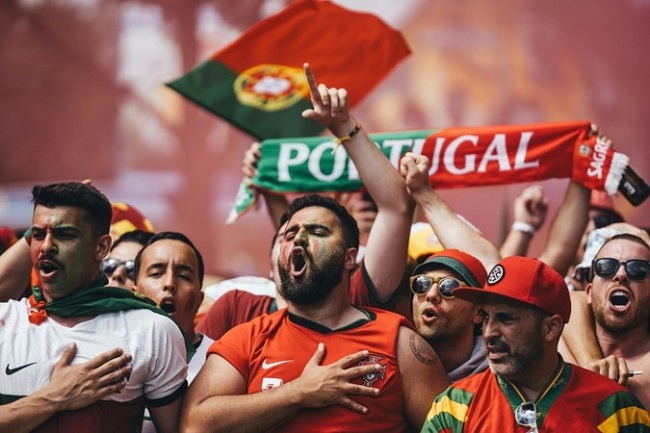
Portuguese football has always embodied a strong sense of identity, passion, and tradition. From local neighbourhood clubs to globally recognized teams, football plays a central role in the country’s cultural fabric. However, the way fans interact with the sport has changed significantly over the past decade. Stadium attendance and television broadcasts are no longer the only ways to engage with the sport. Digital platforms now influence how audiences discover, follow, and connect emotionally with the game. Portuguese football has adapted to this shift remarkably well. By embracing social media, data-driven storytelling, streaming platforms, and interactive fan experiences, clubs and leagues have expanded their reach far beyond national borders. This digital transformation has attracted younger audiences and reconnected clubs and leagues with fans who consume football in more flexible and personalized ways.
The Shift from Traditional Viewership to Digital Consumption
For many years, Portuguese football relied heavily on traditional broadcasting and live match attendance. Television deals with domestic networks ensured stable revenue and predictable audience numbers. However, these models began to show limitations as younger viewers moved away from scheduled programming. Fans wanted highlights on demand, behind-the-scenes access, and content that fit into their daily routines.
Digital consumption enabled Portuguese football to meet these expectations. Clubs started prioritizing short-form content, mobile friendly formats, and real-time updates. Match highlights appeared on social platforms within minutes, and post-match analysis moved to YouTube and podcast channels. This shift reduced dependence on traditional media and created direct communication channels between clubs and fans. As a result, engagement became more frequent, personal, and measurable.
Social Media as a Gateway to Global Audiences
Social media has played a critical role in expanding the international footprint of Portuguese football. Through platforms like Instagram, X, TikTok, and Facebook, clubs could showcase more than just match results. Clubs shared content such as training sessions, player interviews, locker room moments, and cultural celebrations. This content humanized the players and made the clubs more relatable to fans who had never visited Portugal.
Portuguese clubs also adapted their language strategies. Many accounts began posting in English alongside Portuguese to reach international audiences. Some clubs even experimented with region-specific content aimed at fans in Asia, Africa, and South America. This approach helped Portuguese football compete for attention in a crowded global market dominated by larger leagues. Rather than relying on financial power, clubs focused on storytelling, authenticity, and consistent interaction.
The Role of Star Players in Digital Growth
Portugal’s long history of producing world class soccer players has significantly boosted its digital engagement strategy. When these players trained locally and later found success internationally, they brought the digital presence of Portuguese football with them. Fans who followed these players often developed an interest in their former clubs and domestic competitions.
Clubs leveraged this connection by highlighting stories of player development. They showcased academy journeys, early career milestones, and personal challenges. These narratives resonated strongly with younger audiences, who value transparency and relatability. Digital platforms allowed these stories to circulate widely, further establishing Portugal's reputation as a breeding ground for talent and innovation in soccer.
Streaming Platforms and On Demand Access
Another major factor in expanding the audience was streaming technology. Traditional broadcasting was limited by geography and subscription costs. However, streaming platforms removed many of these barriers. Now, fans can watch matches, replays, and exclusive content from anywhere with an internet connection.
Portuguese football authorities partnered with digital broadcasters to distribute content more flexibly. Some clubs launched their own platforms offering documentaries, youth matches, and women’s soccer coverage. This approach has diversified content offerings and attracted niche audiences who felt underserved by mainstream coverage. It also allowed clubs to gather valuable data on viewer preferences, helping them refine future engagement strategies.
Data Driven Fan Engagement and Personalization
Digital engagement thrives on data, and Portuguese football clubs have increasingly adopted analytics to understand fan behaviour. Clubs track interactions across platforms, including likes, shares, watch time, and comments. This data revealed which content resonated most with fans and when they were most active.
Personalization became a key outcome of this process. Fans received personalized notifications, targeted content, and localized updates. Matchday experiences extended beyond the stadium with interactive polls, live chats, and fan-generated content. These strategies fostered a sense of belonging and participation, even among supporters watching from thousands of miles away.
Digital Communities and the Redefinition of Fandom
Digital platforms have reshaped the concept of football fandom. Supporters no longer need to be physically close to feel connected. Online communities formed around clubs, players, and shared experiences. These communities discuss tactics, debate performances, and celebrate victories together.
Portuguese football has benefited from this shift by nurturing respectful and inclusive digital spaces. Clubs moderated discussions, highlighted fan contributions, and acknowledged supporter creativity. This two-way interaction strengthened loyalty and encouraged fans to become active participants rather than passive viewers. Over time, these digital communities evolved into self-sustaining ecosystems that organically promoted the clubs.
Learning from Digital Trends Outside Football
Interestingly, Portuguese football did not evolve in isolation. Its digital strategies mirrored broader trends seen in the entertainment and sports industries. Sectors such as eSports, online media, and digital gaming showed that engagement could flourish without physical venues. These industries emphasized user experience, accessibility, and constant interaction.
For instance, platforms associated with real money casinos in New Zealand have had to adapt to similar digital expectations. Despite operating in a different regulatory and cultural context, these platforms rely on user-friendly interfaces, real-time interaction, and responsible digital design. Their evolution highlights how modern audiences value transparency, accessibility, and trust when engaging online. Similarly, Portuguese football has applied these principles by focusing on clear communication, ethical data use, and meaningful engagement rather than aggressive promotion.
Balancing Commercial Interests with Authentic Engagement
Digital growth naturally brings commercial opportunities, but Portuguese football has learned to approach monetization with caution. Fans quickly disengage when content feels overly promotional or insincere. Successful clubs balance sponsorship visibility with authentic storytelling.
They integrate brand partnerships into valuable content, such as community initiatives, youth development programs, and social causes. This approach aligns commercial interests with fan values. It also reinforces trust, which is essential in digital environments where audiences have countless alternatives competing for their attention.
The Impact on Domestic and Women’s Football
Digital engagement also elevated areas of Portuguese football that traditionally received less exposure. For example, domestic competitions outside the top tier gained visibility through highlights, live streams, and dedicated social coverage. Women’s soccer, in particular, benefited from this increased accessibility.
Clubs used digital platforms to showcase female athletes, share match coverage, and promote grassroots programs. This visibility encouraged participation and challenged outdated perceptions. Digital engagement proved to be a powerful equalizer, enabling quality and passion to reach audiences independently of traditional media gatekeepers.
Challenges and Future Opportunities
Despite its success, Portuguese football continues to face challenges in the digital space. Platform algorithms frequently change, audience attention spans are shortening, and content saturation is increasing. Clubs must innovate continuously while staying true to their identities.
Opportunities for the future include immersive technologies, such as virtual reality; enhanced match data visualization; and multilingual content expansion. Continued investment in digital literacy and ethical engagement will be crucial. The experience of Portuguese football shows that sustainable growth depends not on blindly chasing trends, but on understanding audience needs and evolving thoughtfully.
Final thoughts
The digital transformation of Portuguese football illustrates how tradition and innovation can coexist successfully. By embracing digital engagement, clubs have expanded their reach, diversified their audiences, and strengthened their relationships with fans. Social media, streaming platforms, data analytics, and community-focused strategies played central roles in this evolution. Lessons drawn from other digital industries further demonstrate the importance of trust, accessibility, and meaningful interaction. As technology continues to change the way people consume sports, Portuguese football stands as a compelling example of how strategic digital engagement can preserve heritage while opening doors to new global audiences.
